
Image credit: Martin Ollman, 2013
The Events Horizon
Having discovered my love of event management in 2004 I have since delivered conferences, weddings, parliamentary council meetings (formerly COAG), exhibitions, sod turnings and ribbon cutting ceremonies, regional festivals, symposiums through to the intergovernmental conferences. Complex events with dynamic workloads and creative briefs that really push the boundaries are my favourite challenge.
By way of example, in 2015 I delivered the G7 Financial Action Task Force Plenary to cater for 650 mostly international delegates. Remote event delivery is my specialty – this event was planned and prepared from my Canberra office and delivered in Brisbane. Behind the scenes this involved liaising with services providers including Queensland Police and Attorney Generals Department security team to implement OECD strategic security measures, facilitating a visa management process for 600 international guests, negotiating accommodation contracts with well-known hotel chains, entertainment and corporate/office infrastructure, and arranging movement of large numbers of people and equipment between venues within limited timeframes during this week-long suite of events.
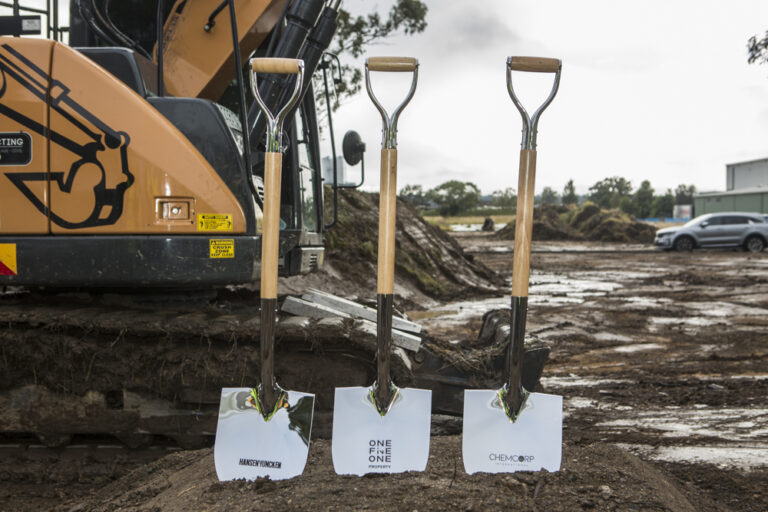
However events aren’t all glitz and glamour. Between 2002 and 2012 I supported a range of Federal roads and infrastructure ministers as they traversed through the mud in front of gaggles of journalists and photographers to announce the next big project. In government, it’s always about the good news story so sod turnings and ribbon cuttings are often given priority.
At some point in 2005 our team thought it would be a great (read: funny) idea to give the minister a hi-vis vest and hard hat for a sod turning. This trend caught on quickly across other government agencies and escalated rather quickly with our department procuring a number of gold-plated shovels for extra pizzazz. My experience in arranging logistics for these ceremonies included background briefs, branding assets, media announcements, travel and accommodation arrangements, and ensuring everyone had boots to wear at constructions sites.

Image credit: Martin Ollman, 2013
In 2015 I co-founded a ticketing company, Festival Director Pty Ltd, whose vision was to empower other event managers in delivering successful events by offering advanced, and cost-effective event management solutions.
Most significantly, we used a new business model that generated $16 million in event ticket sales between 2016 and 2020, incidentally forcing our competitors – large ticketing industry operators – to change their business models and pay their clients ticket revenue as it came in, not after the event was held as was traditionally the case. We captured 12 per cent of the Australian alternative festival market. Process improvement is important to me, so if I see a better way of doing something I’ll dive in to lead that change.
The services we offered covered the gaps in services provided by the big ticketing operators. These included:
- Access to real-time revenue: Event organisers need their revenue as early as possible to secure performers, venues and vital event infrastructure. Our business model allowed our clients to access their revenue immediately and alleviated the need for them to seek out capital funding through loans or other sources.
- Seamless integration: Our service allowed event organisers to achieve a professional and successful look for their events through our embedded ticketing window on their own website. This kept traffic on their website rather than diverting it to the ticketing company.
- People management: Our platform enabled event managers to organise administrative aspects from planning phase to arrival at the event by managing requirements and tickets for VIPs, volunteers, vendors and their staff, contributors, musicians, artists, performers, speakers, competitors, and more. Our experience dictated that each group had a unique set of data that must be collected at the start of the process, from the contact and payment details, to ID and safety validation processes, online pre-arrival briefings to safety inductions and uploading of professional licences, to registration and shift allocation. Our platform allowed event managers to collect and process critical information prior to the event, then assign ticket categories (musician, stage production etc). The platform could be updated real time to add any additional staff without having to contact the entry team, meaning a new contributor could receive access to the event without the need for phone calls, radio calls and waiting for verification at the gate.
*Cover image credit: Martin Ollman, 2013
 Karolina Russell