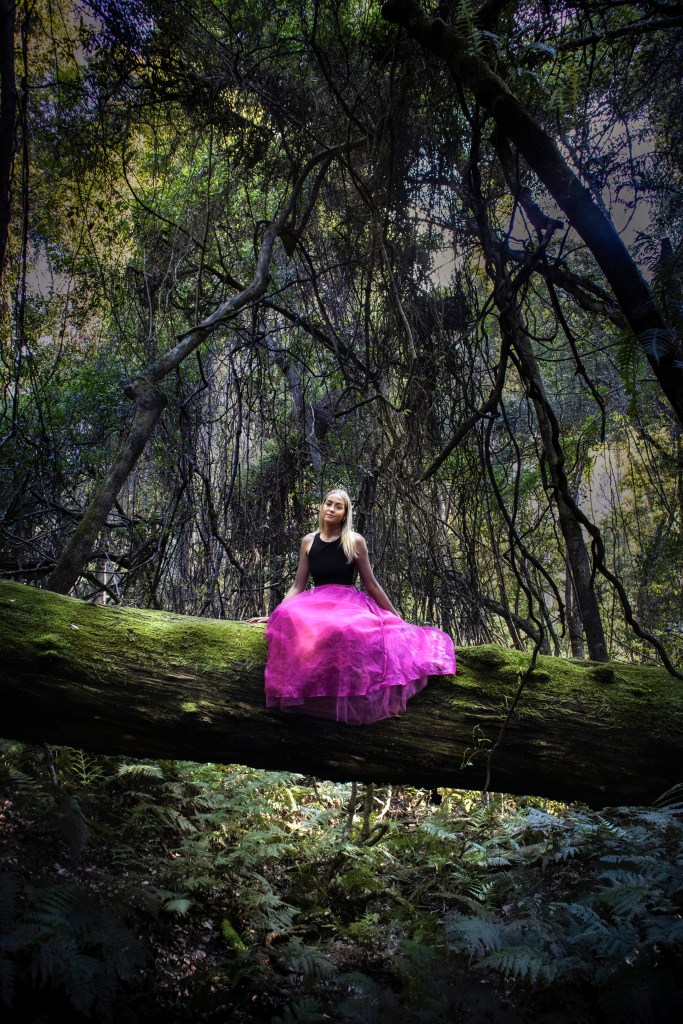
A Fairytale Escape
In this photographic essay I explored the relationship adults have with fairytales in the context of managing mental health. Myths and fables have been part of humanity’s history for millennia, conveying narratives involving life’s lessons, warnings, hopes and dreams. Originally, fairytales were meant for adults but the content has been altered to be age appropriate for children over the last hundred years.
Fairytales can offer a momentary escape, transporting you to a different world. This can be especially important for those who are managing mental health issues. According to the Australian Bureau of Statistics, a person can experience mental health symptoms without being formally diagnosed with a mental disorder. Anxiety is the most commonly reported illness across the Australian community and 42.9% of 16 to 85 year old Australians have experienced a mental disorder at some point in their life, although only one in four will seek medical assistance.
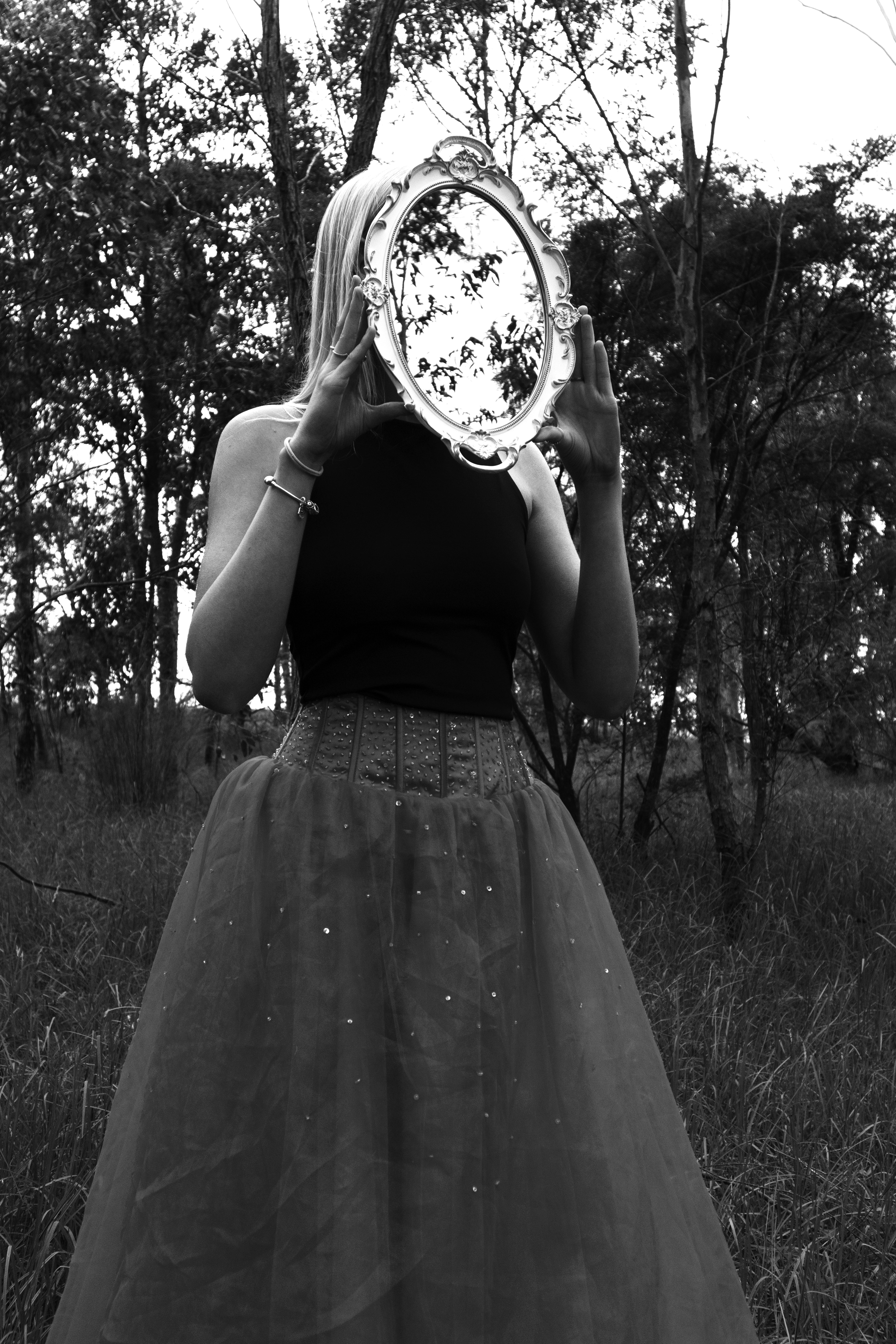
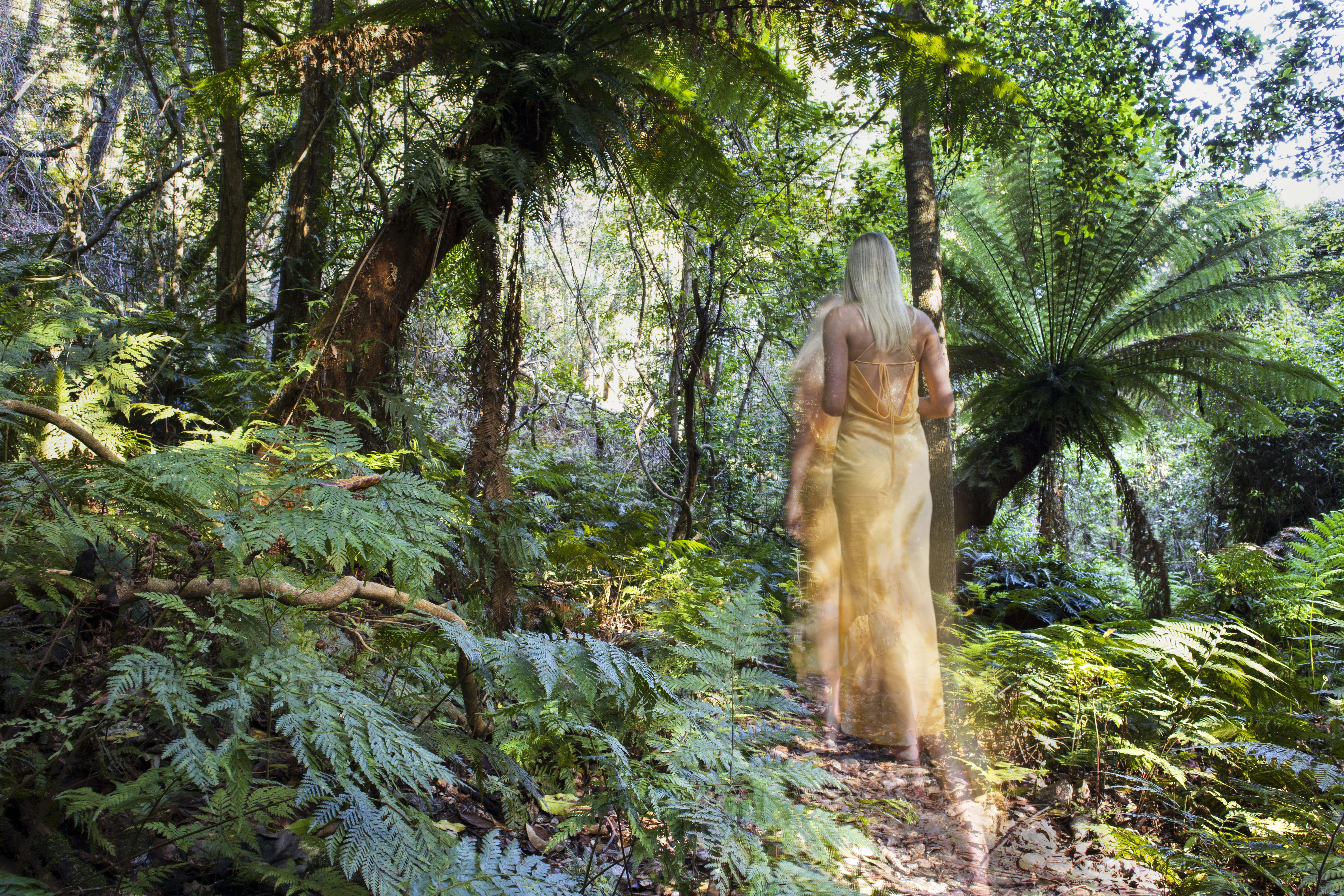
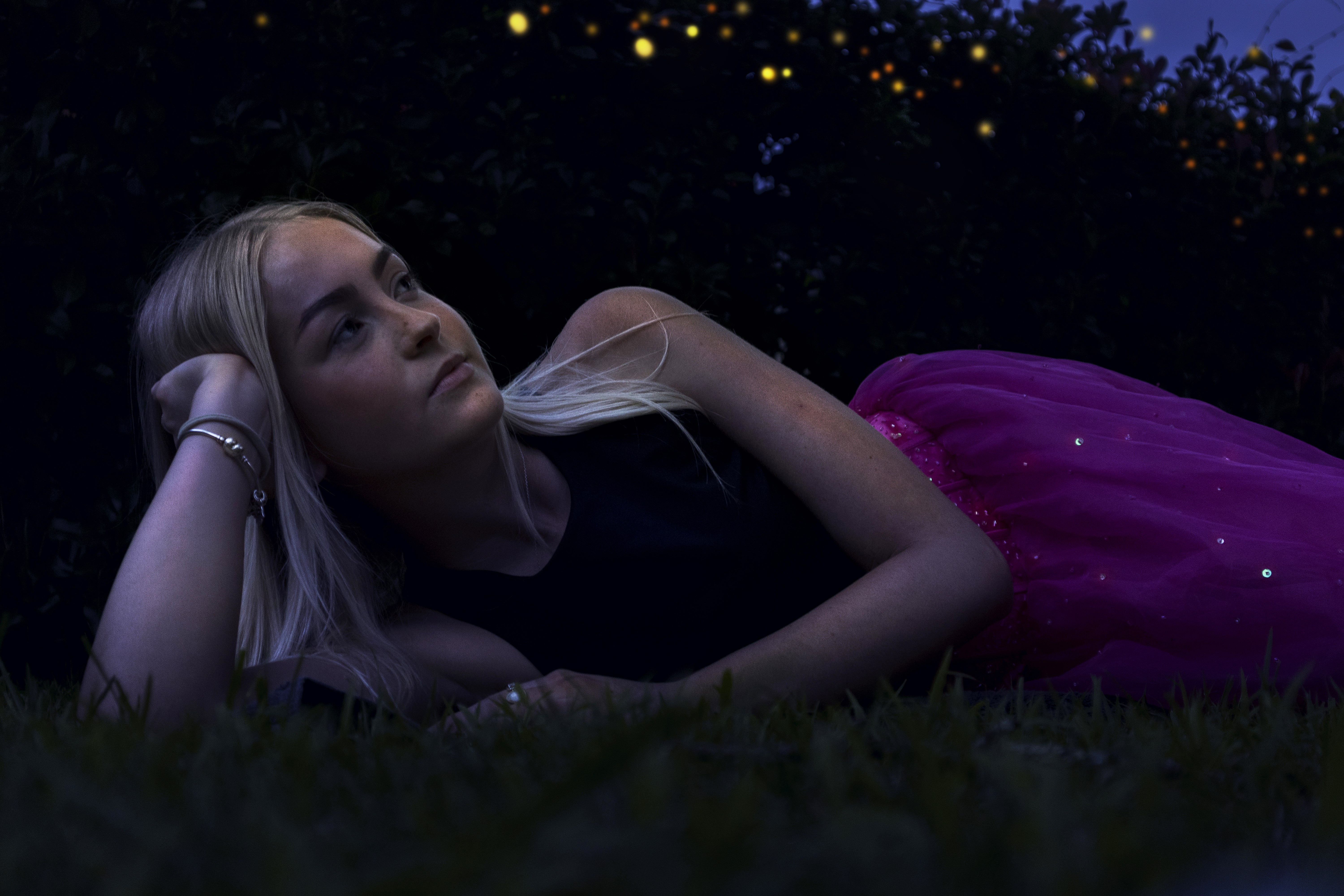
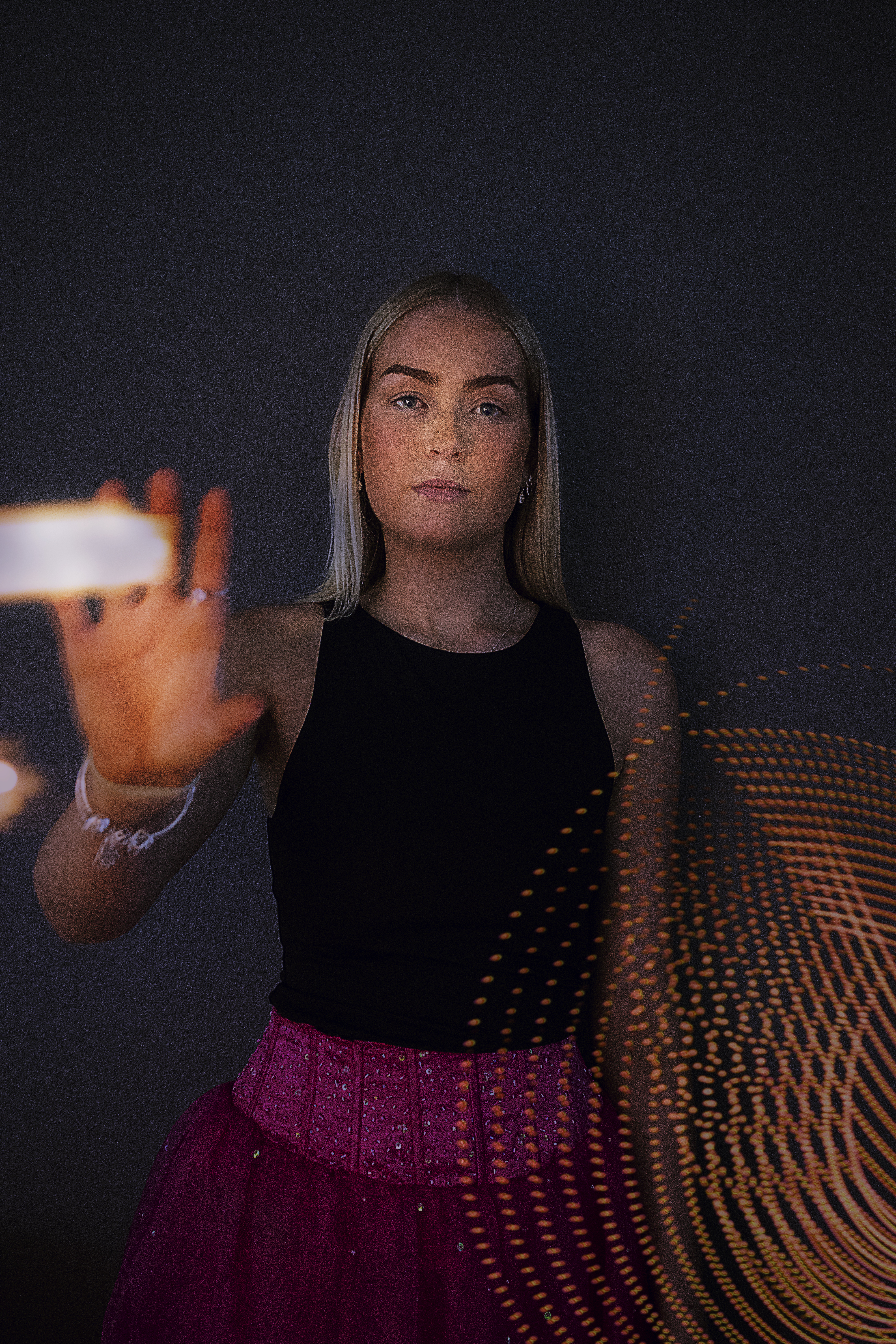
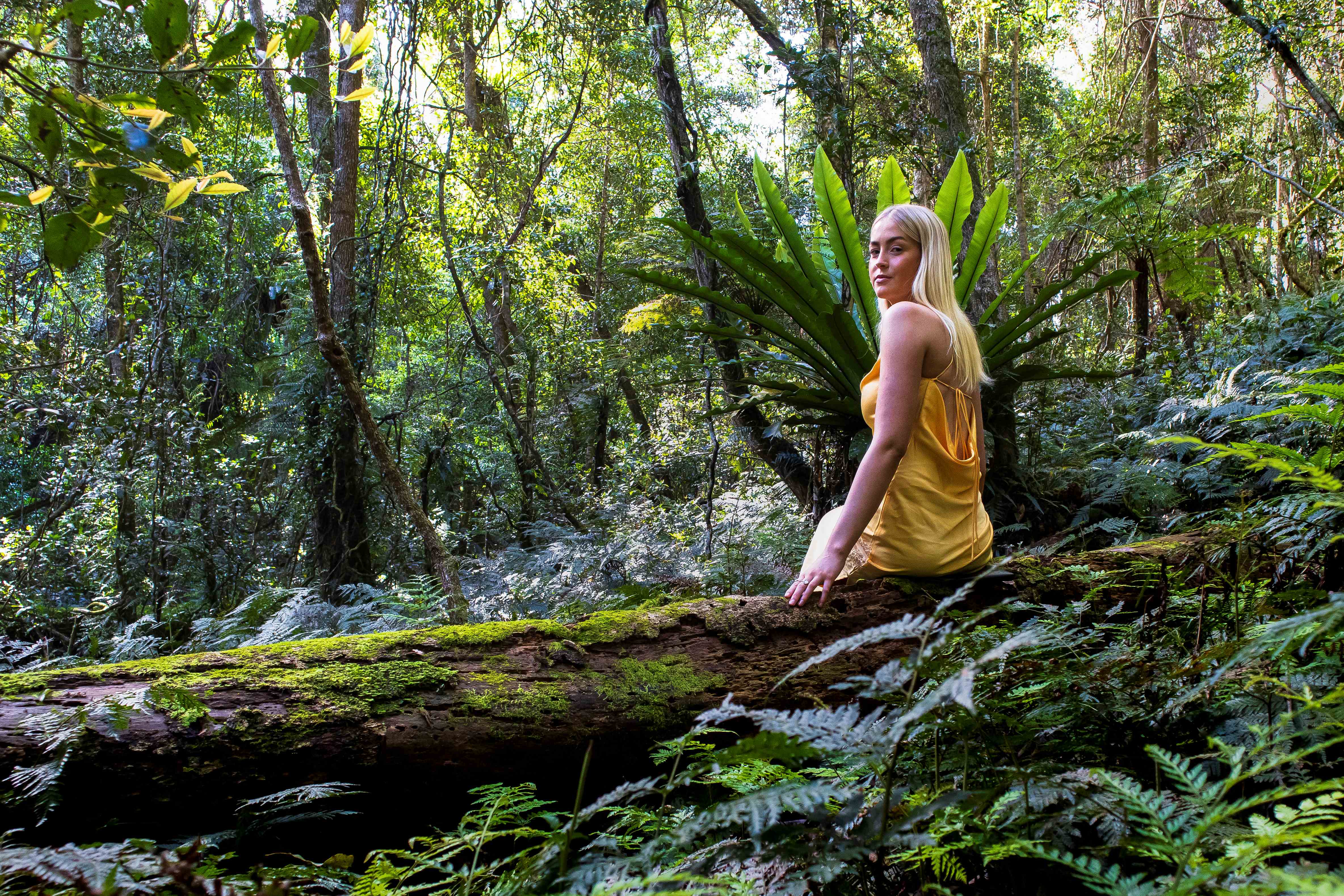

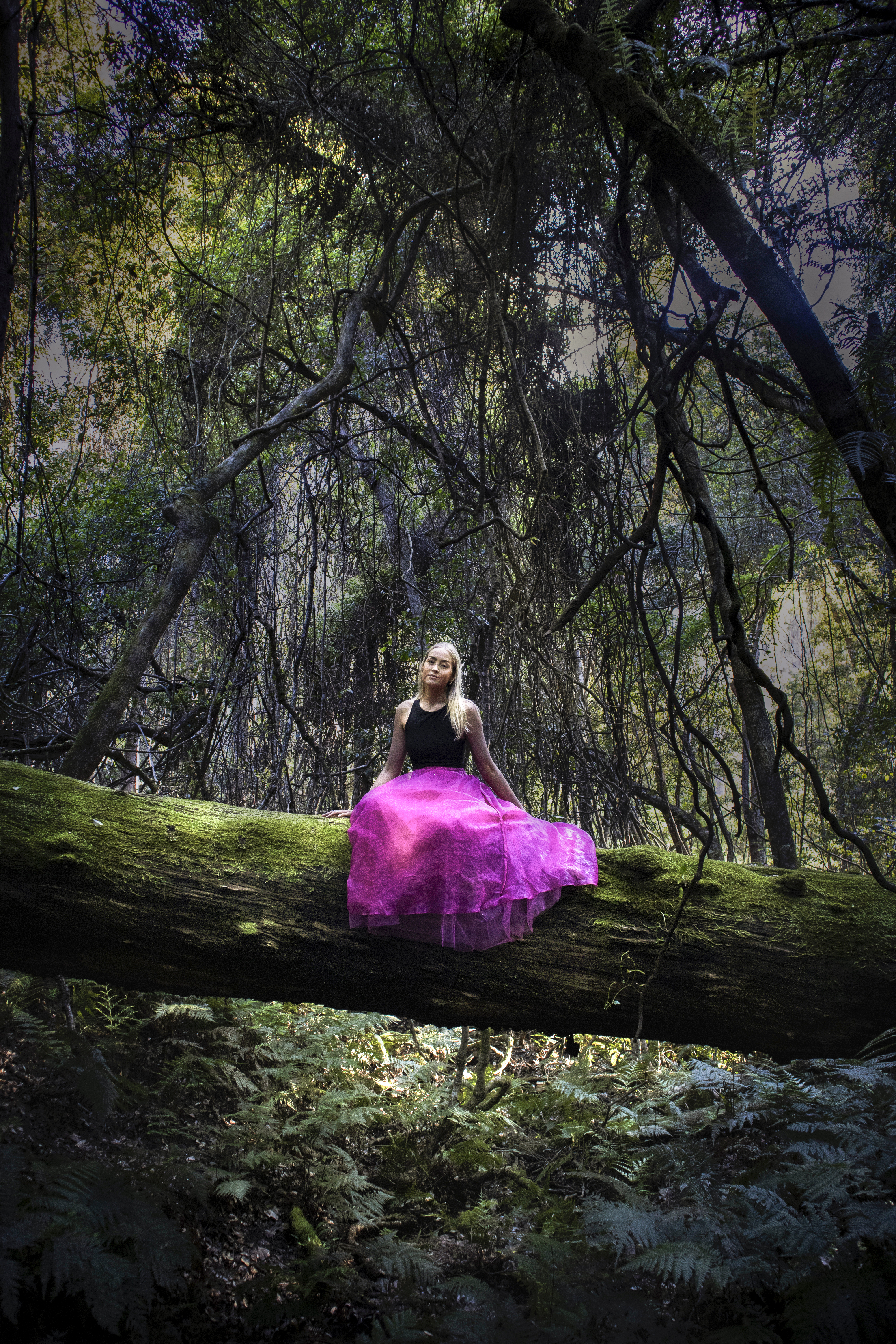
The forest is a symbol of nature, a stark contrast to environment most humans find themselves in. Forests are the perfect setting for “Once upon a time in a far away land”, where you can get away for a while. Sometimes it’s ok to accidentally find yourself in another world. Fairytale themes often involve the main character taking back control, resulting in self-empowerment.
Fairytale forest settings often function as a metaphor for our fears, anxiety and grief – as we walk through, become lost – before we can find our way out again. Sometimes fairytale creatures live under bridges and create havoc. At other times the crossing of a bridge forms a test of the character’s strength to overcome their fears. Mirrors often feature in fairytales, offering self-reflection and acting as a portal to another world.
 Karolina Russell