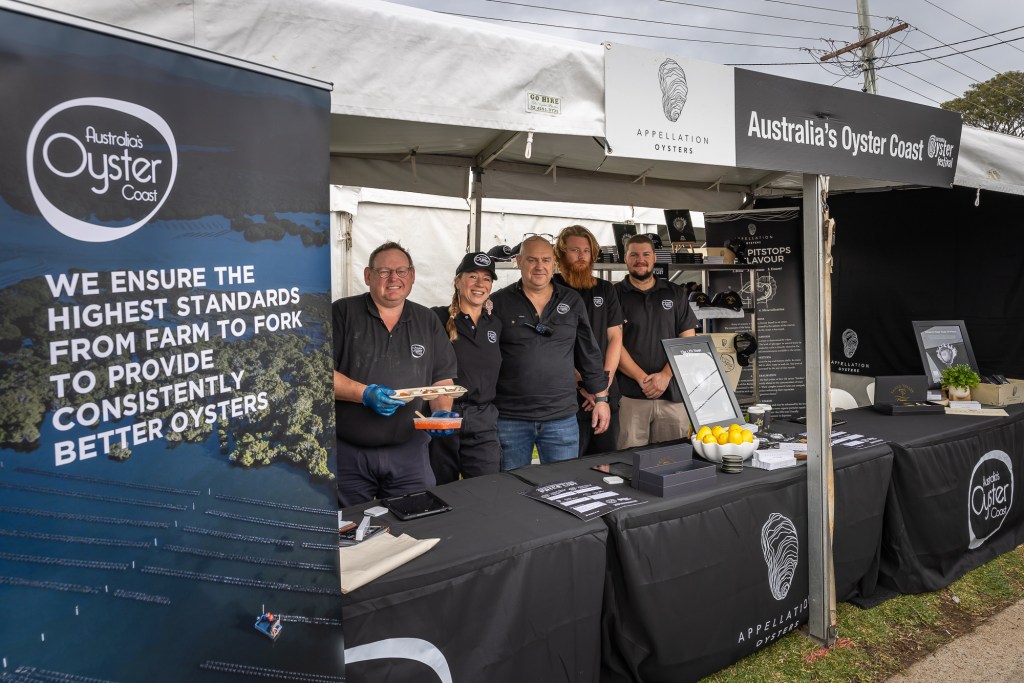
Image credit: Australia’s Oyster Coast/David Rogers Photography, 2024
The Event World can be Your Oyster
Earlier this month I had the pleasure of participating at Australia’s premier oyster event, the Narooma Oyster Festival. I worked with Australia’s Oyster Coast (AOC), the main sponsor, ensuring AOC met its objectives in increasing oyster sales at the event by 50 per cent. This was achieved through targeted merchandising, networking directly with the public around the event grounds, live product trials, up-selling and public meet-and-greets with farming staff, resulting in a hot response leading to higher sales conversions. One thing is certain, life is too short to wait for your customers to come to you.
The weather gods weren’t as kind to us this year – we experienced rain on Friday evening, and somewhat of a heavy downpour from mid-afternoon on Saturday. And yet this year’s event was packed to the brim with visitors and action, with attendance peaking at an impressive 9,000, almost meeting the event’s record of 10,000 in 2022. Throughout the weekend I witnessed strong crowds with umbrellas and rain jackets, exploring the event with an oyster in one hand and a glass of bubbly in the other, completely unfazed by the rain.
It prompted me to reflect, why is this festival still going strong when so many others are folding in the current financial climate?
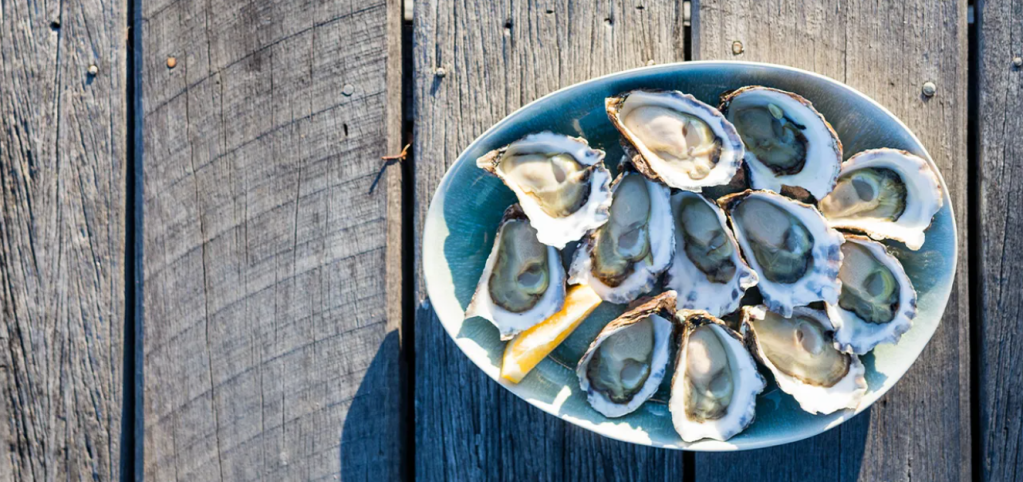
Image credit: Australia’s Oyster Coast, 2023
Drawing on my experience in delivering large-scale regional festivals, I observed an important factor that every event manager should consider: when ticket sales are increasing, don’t be fooled into expanding your event’s footprint. Events have always been expensive to deliver and costs can easily spiral out of control. Maintaining strict fiscal control of your event is especially important in today’s financial climate, with rising operating costs and reduced consumer spending.
I’ve witnessed other event managers make this mistake time and again – when they experience a bumper ticket season, they start developing next year’s budget based on this year’s revenue with plans to expand the event. Worse still, they immediately start spending. Whilst it might seem a bit of a downer during the high they’re riding from a successful festival, the best course of action is to stick with the same event footprint – do not add new stages and spaces. Doing so creates two possible risks: the first being that future sales may not be as successful thus immediately jeopardising the viability of the festival, and secondly if sales remain on par, the same attendance numbers will look smaller due to the addition of that extra stage. Splitting your crowd is never a good idea, even at an event hosting 5,000 patrons.
The Oyster Festival showcased this tactic really well, with a fuller program in 2024 featuring more entertainment without adding to the infrastructure bill. This was achieved through additional stalls selling food and wares, roving performers, gastronomic demonstrations, appearances from renowned chefs and cooking professionals, and the fabulous VIP tent.
Next goal: making the Narooma Oyster Festival Australia’s seafood capital, of course!
*Cover image credit: Australia’s Oyster Coast, 2023
 Karolina Russell